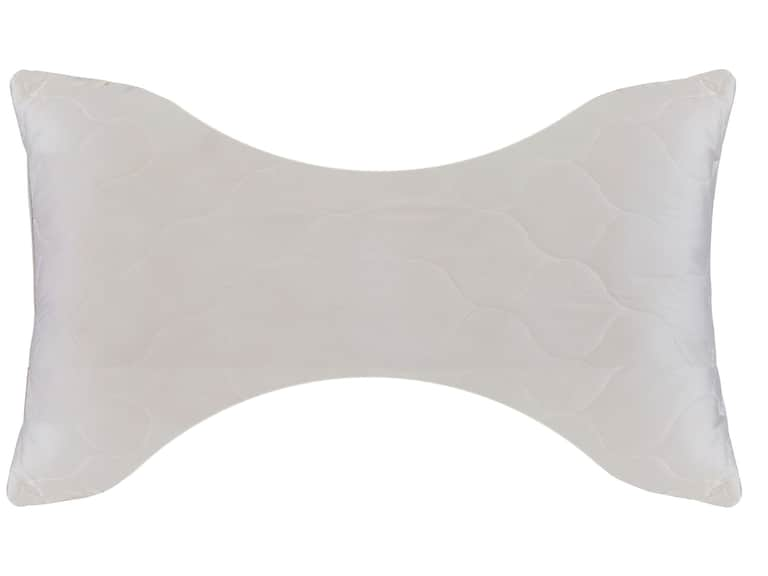
Wool as a natural fiber offers exceptional characteristics for bedding and sleep surfaces, including temperature regulation, moisture management, and long-term durability. In this category, wool products are evaluated for fiber quality, weave or batt construction, and how the material supports comfort across varying climates. Understanding these properties helps identify suitable applications such as bedding layers, pillows, and mattress supports.
Wool’s breathable structure helps maintain a comfortable microclimate by wicking moisture away from the body and reducing heat buildup. This makes wool bedding and related components suitable for people with temperate to warm sleeping environments, as well as those seeking natural insulation during cooler nights. Evaluating fiber origin and processing informs expectations for softness and performance.
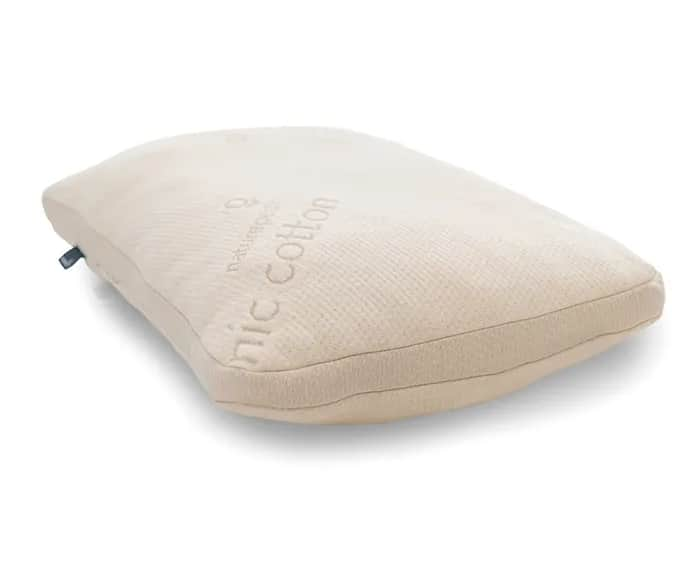
Key product types in the wool category include natural bedding components, pillow fillings, and support layers such as organic mattresses and latex alternatives. In particular, the Sleep and Beyond myDual Side Pillow demonstrates how dual-sided design can offer different levels of loft and firmness, supporting various sleep positions and providing neck and head alignment benefits.
Organic and ethically sourced wool often pairs with other natural materials to enhance comfort and resilience. When comparing wool bedding or pillow cores, consider properties like loft stability, crimp, and thickness, which influence contouring and spinal alignment. The interplay between wool and latex or foam layers can also affect overall pressure relief and edge support.
Understanding the functional benefits of wool in sleep systems highlights its role in temperature regulation, moisture comfort, and durable performance. Products in this category may emphasize hypoallergenic qualities, durability over time, and compatibility with adjustable beds and other ergonomic foundations, delivering a natural, supportive sleep experience.
 Bedding